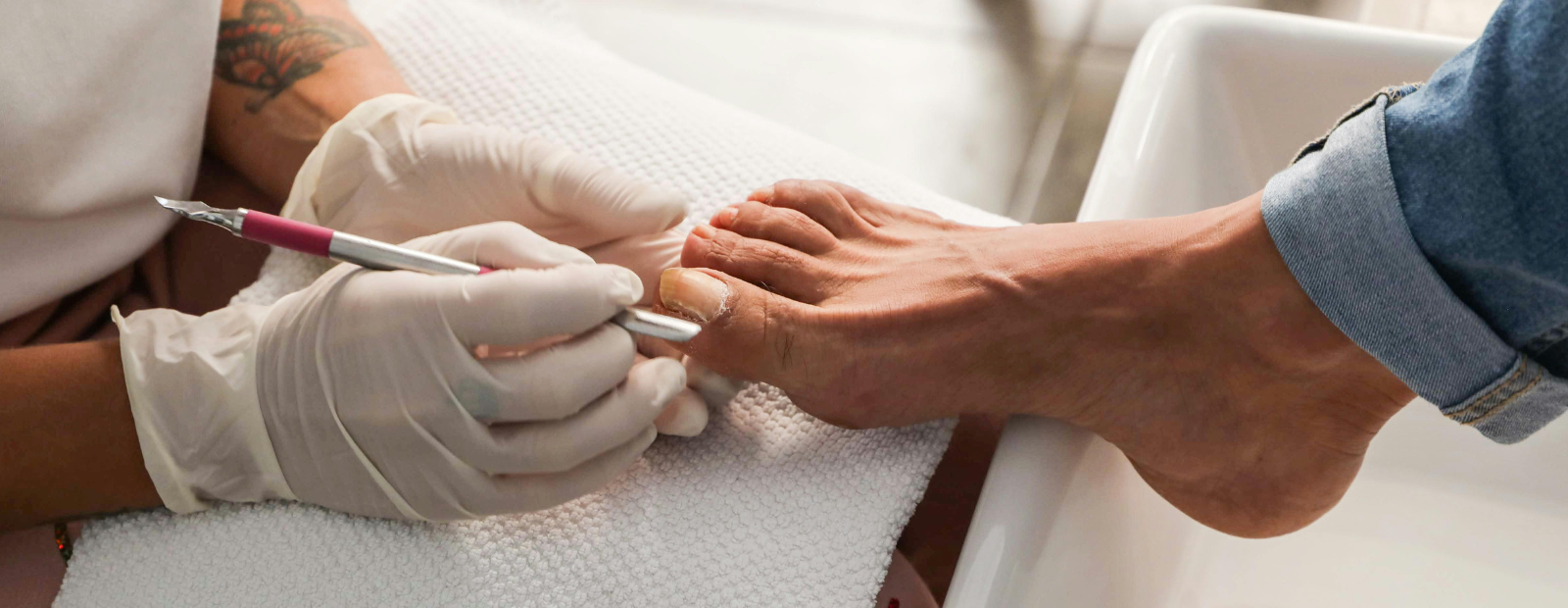
What the GEHWOL Diabetes Report Indicates for Salon Professionals
The GEHWOL Diabetes Report 2025 makes one point unmistakably clear: even minor foot injuries in people with diabetes can have serious consequences.
For salon professionals, this elevates pedicures from a purely cosmetic service to a responsibility that directly affects client health.
Reduced sensation, delayed healing, and increased infection risk mean that standard pedicure techniques must be adapted—or avoided entirely.
Understanding the Diabetic Foot in the Salon Environment
Diabetic clients may not feel:
- Excessive pressure
- Heat from water or tools
- Micro-cuts caused during treatment
According to the report, dry skin and cracks are among the most common starting points for diabetic foot complications—making gentle, protective care essential.
The Non-Negotiable Rule: Safety Over Aesthetics
For diabetic clients, a pedicure should focus on:
- Skin integrity
- Infection prevention
- Hydration and barrier protection
Aggressive techniques that aim for dramatic visual results can create entry points for bacteria, increasing the risk of infection.
Practices to Avoid Completely
The GEHWOL Diabetes Report reinforces practices that salon professionals must never apply to diabetic clients:
- Hot foot baths (burn risk due to reduced sensation)
- Callus blades, razors, or scalpels
- Aggressive cuticle cutting
- Treating open cracks, wounds, or infections
If any suspicious skin changes are observed, treatment should stop immediately and the client should be referred to a podiatrist.
Safe Pedicure Principles for Diabetic Clients
A diabetic-safe pedicure prioritizes maintenance and protection, not transformation.
Best practices include:
- Lukewarm or dry pedicure techniques
- Gentle nail trimming without cutting corners
- Light smoothing of rough skin using fine files only
- Thorough drying, especially between toes
- Strict hygiene and sterilization standards
This approach aligns fully with the preventive philosophy outlined in the GEHWOL Diabetes Report.
The Role of Professional Foot Care Products
Hydration is a cornerstone of diabetic foot prevention. The report highlights that daily use of appropriate foot creams significantly reduces the risk of cracks and infection.
Salon professionals can safely support this by applying or recommending GEHWOL FUSSKRAFT products, such as:
Using naturally developed products enhances both safety and professional credibility.
Knowing When to Refer Builds Trust
One of the strongest professional skills is recognizing boundaries.
Immediate referral to a podiatrist or doctor is essential if you observe:
- Open wounds or ulcers
- Redness, swelling, or discharge
- Bleeding cracks
- Severe nail deformities
Referral is not a failure—it is responsible, ethical practice.
Why Diabetic-Safe Pedicures Elevate Your Salon
Clients with diabetes actively seek professionals who:
- Understand their condition
- Prioritize safety
- Communicate clearly
- Work within medical boundaries
By aligning salon practices with insights from the GEHWOL Diabetes Report, salons position themselves as trustworthy, educated, and professional, strengthening long-term client relationships.
Conclusion: Where Beauty Meets Responsibility
For diabetic clients, foot care is never “just a pedicure.”
With the guidance of the GEHWOL Diabetes Report 2025 and the use of medically developed foot care products, salon professionals can play a meaningful role in preventing complications—not causing them.
Safe care is the most beautiful outcome of all.