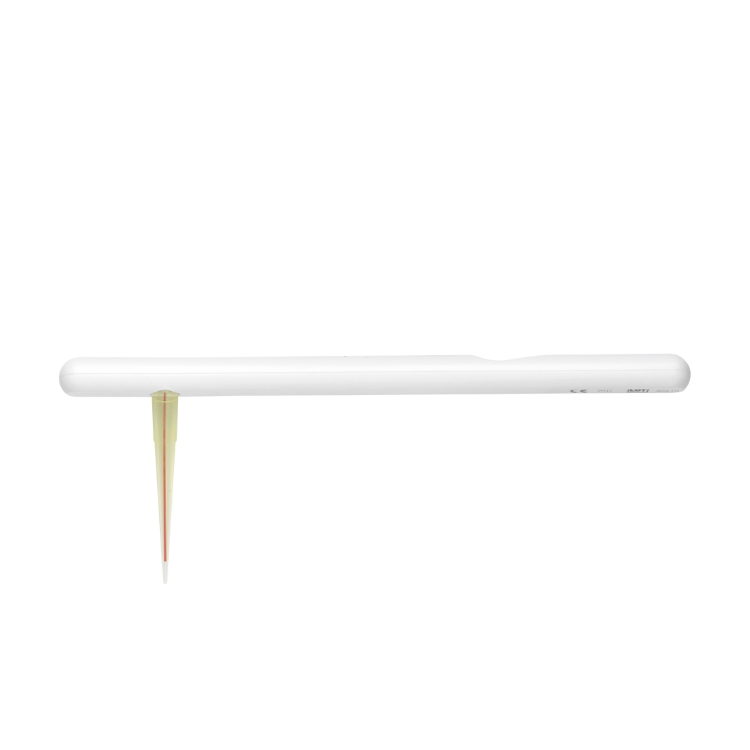
Accurate tool for testing foot and leg sensitivity.
The Monofilament is a clinically essential diagnostic instrument used to evaluate sensitivity in the feet and legs, helping healthcare professionals detect early signs of peripheral neuropathy, reduced sensation, or potential nerve damage. Commonly used in podiatry, diabetes care, and neurological assessments, the monofilament provides standardized, reproducible pressure to determine whether a patient can perceive light touch. This makes it an indispensable tool for early diagnosis, treatment planning, and ongoing monitoring of sensory health.
Ask the patient to close their eyes and relax their foot or leg.
Hold the monofilament perpendicular to the skin.
Press the filament against the skin until it bends or flexes, applying standardized pressure.
Hold for 1–2 seconds, then lift straight off.
Test several standardized points on the foot or lower leg (plantar surface, toes, heel, dorsal foot, etc.).
Ask the patient whether they felt the pressure, and record the response.
Compare results across visits to monitor changes in sensory function.
Measures protective sensation in the feet and legs.
Detects early signs of peripheral neuropathy, especially in diabetic patients.
Identifies areas with reduced or absent sensitivity.
Helps prevent complications such as ulcers, injuries, or infections caused by undetected trauma.
Supports clinical decision-making for podiatry, diabetology, neurology, and general care.
Provides quick, accurate, and reproducible sensory testing.
Non-invasive and painless, suitable for all patient groups.
Lightweight and portable for clinic, home visit, or screening event use.
Essential for diabetic foot assessments and early intervention.
Helps reduce long-term complications by enabling preventive care actions.
Durable and simple to use, ensuring consistent clinical results.
The Monofilament is a vital diagnostic tool for assessing sensory loss in the feet and legs. With its standardized pressure and simple application, it allows professionals to identify neuropathy early, guide appropriate treatment, and help prevent serious podiatric complications. A must-have for any podiatry, diabetes care, or clinical examination setting.