Evidence-based foot care advice from the Cyprus distributor of GEHWOL
In Cyprus we spend much of the year in sandals. Then the weather turns, and our feet go back into closed shoes, socks and boots for months. That change is exactly when foot complaints start to climb.
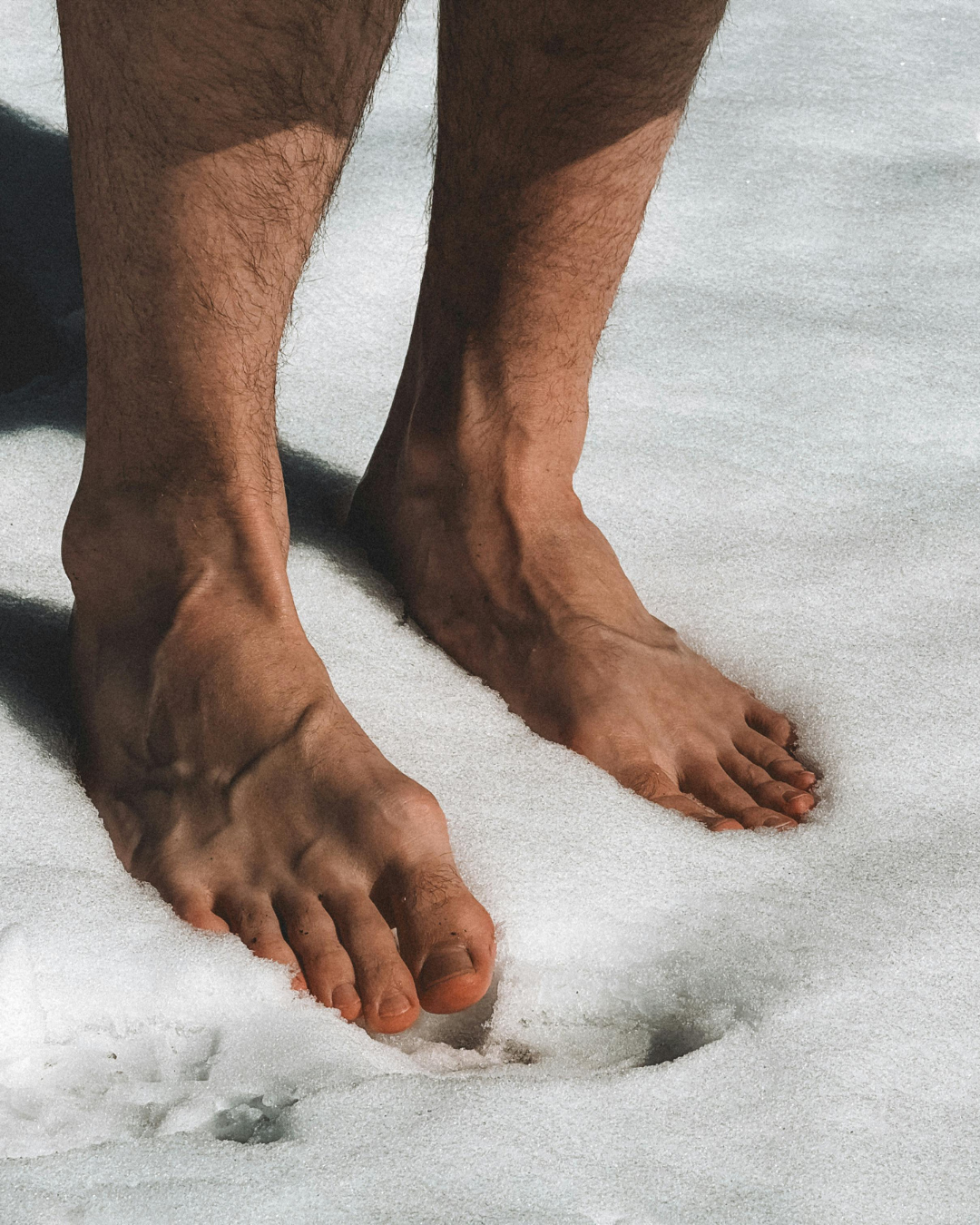
Winter creates two problems at once. Outside, cold air makes blood vessels in the feet narrow, so toes feel icy. Inside the shoe, heat and sweat are trapped, creating a warm, humid space where odour-causing bacteria and fungi thrive.
The scale is bigger than most people think. In the Achilles Project, a survey of patients across 16 European countries, about 35% of those examined had a fungal foot disease and 38% a non-fungal foot disease. Below, we explain the four most common winter foot problems, what the research says about their causes, and practical solutions you can start today.
1. Cold Feet: Why Your Feet Freeze in Winter
Cold feet are usually your body protecting itself. When temperatures drop, blood vessels in the hands and feet constrict to keep warm blood around the vital organs. For most people this is normal. For some, circulation is weaker to begin with, and the feet stay cold long after everyone else has warmed up.
What causes cold feet?
- Poor blood circulation. Less blood reaching the feet means less warmth. Sitting for long periods, tight footwear and inactivity all slow circulation further.
- Being female and slim. A study of 1,810 adults in Basel, Switzerland found that women, especially younger and slimmer women, suffer more intensely from cold extremities, with nearly one in three women aged 20–40 affected. A nationwide survey in Korea found cold hypersensitivity in the feet of 23% of adults, again more often in women.
- Raynaud’s phenomenon. In this condition, small arteries in the fingers and toes over-react to cold, turning them white or blue. A meta-analysis in BMJ Open of 33 studies put the prevalence of primary Raynaud’s at 4.85% of the general population, with higher risk in women, smokers and people with a family history.
- Peripheral artery disease (PAD). Narrowed arteries in the legs reduce blood flow to the feet. According to a systematic review in The Lancet, around 202 million people worldwide were living with PAD in 2010, and in high-income countries prevalence rose from about 5% at age 45–49 to about 18% at age 85–89.
- Smoking, diabetes and some medicines can also reduce blood flow to the extremities.
How to warm cold feet
- Keep moving. Walking, calf raises and ankle circles pump blood back toward the toes. Break up long periods of sitting.
- Choose the right socks and shoes. Wool or thermal socks keep heat in while letting moisture out. Shoes should be roomy enough not to squeeze the toes, since tight footwear restricts blood flow.
- Use a warming foot cream every day. Massage it into clean, dry feet in the morning and evening. Warming ingredients stimulate circulation in the skin and leave a pleasant, lasting feeling of warmth.
- Stop smoking. Smoking is a proven risk factor for both Raynaud’s and PAD.
Recommended GEHWOL products for cold feet
From your pharmacy
- GEHWOL Warming Balm. Stimulates circulation in the feet for a pleasant feeling of warmth, while moisturising cold, dry skin. Apply once or twice a day.
From beauty professionals and nail technicians
Important: If you have diabetes or reduced feeling in your feet, never use hot-water bottles, heating pads or very hot water. You may not feel a burn until it is too late.
When cold feet need a doctor
See a doctor or podiatrist if your feet are cold all the time, even indoors; if toes turn white, blue or purple; if one foot is noticeably colder than the other; or if you have calf pain when walking that eases with rest. These can be signs of Raynaud’s or PAD.
2. Sweaty Feet and Foot Odour: The Closed-Shoe Effect
It sounds strange, but feet often sweat more in winter. The soles are packed with sweat glands, and thick socks, boots and heated rooms trap the moisture they produce.
What happens inside your shoe
A shoe works like a small greenhouse. Research summarised in a 2024 footwear study shows that the temperature inside shoes typically ranges from 27 to 37°C, with relative humidity of 67–96%, even in a comfortable room. A study in Scientific Reports found that bacterial growth on the sole of the foot rose with in-shoe temperature and humidity and fell as ventilation improved. Closed, poorly ventilated shoes created the most favourable conditions for bacteria.
Where the smell comes from
Sweat itself is almost odourless. The smell is made by bacteria. Researchers publishing in the Canadian Journal of Microbiology identified isovaleric acid as the main cause of foot odour. It is produced when Staphylococcus epidermidis, a normal skin bacterium, breaks down the amino acid leucine found in sweat. More sweat and more warmth mean more food for these bacteria, and a stronger smell.
When sweating is excessive
For some people, heavy sweating is a medical condition called hyperhidrosis. A study of more than 8,000 people in Archives of Dermatological Research estimated that 4.8% of the US population has hyperhidrosis, and that the condition is under-reported and under-diagnosed. The soles of the feet are one of the most commonly affected areas. Read our professional guide to plantar hyperhidrosis for diagnosis and treatment options.
How to stop sweaty, smelly feet
- Wash and dry daily. Wash feet every day and dry carefully between the toes, where moisture collects.
- Rotate your shoes. Give each pair at least 24 hours to dry out completely before wearing it again.
- Choose breathable materials. Leather or mesh uppers and wool or moisture-wicking socks let sweat escape. Change socks during the day if your feet get damp.
- Fight sweat and odour at the same time. Reduce sweating, keep the skin dry, and neutralise odour with a dedicated foot product. The right combination depends on how much you sweat.
- See a professional if sweating or odour continues despite good daily care.
Recommended GEHWOL products for sweaty feet and odour
From your pharmacy
- GEHWOL med Antiperspirant. Helps reduce excessive foot sweating where it starts. A good choice if your feet are often damp.
- GEHWOL Foot Powder. Absorbs sweat to keep feet dry and helps protect against athlete’s foot. Dust it on the feet and into socks and shoes.
- GEHWOL med Deodorant Cream. A deodorising care cream that helps prevent foot odour while keeping the skin soft.
From beauty professionals and nail technicians
3. Foot Fungus: Athlete’s Foot and Nail Fungus
The same warm, damp conditions that cause odour are ideal for fungi. The two most common fungal infections of the foot are athlete’s foot (tinea pedis), which affects the skin between the toes and on the soles, and nail fungus (onychomycosis), which thickens, discolours and crumbles the nails.
How common is it?
Why winter raises the risk
Fungi need warmth and moisture. Researchers have noted that humidity inside footwear can reach 96–100%, a level that supports the growth of bacteria and yeast-like fungi. Add sweaty socks, shoes that never fully dry, and shared changing rooms at gyms and pools, and infection spreads easily. People with diabetes, poor circulation or a weakened immune system are at higher risk.
How to prevent and manage fungal infections
- Keep feet dry. Dry thoroughly between the toes after every wash, since fungi thrive in moisture.
- Protect nails and skin every day. A protective product creates a barrier on the nails and skin that makes it harder for fungi to take hold.
- Never share towels, socks, shoes or nail tools.
- Wear sandals or flip-flops in gym showers, pool areas and changing rooms.
- Wash socks hot and let shoes dry out fully, since fungal spores survive in footwear.
- Act early. Itching, peeling or cracked skin between the toes, or a nail turning yellow, white or thick, should be checked. An established infection needs antifungal treatment from a pharmacist, podiatrist or doctor. Nail fungus is slow to clear, so the earlier treatment starts, the better.
Recommended GEHWOL products for fungal protection
From your pharmacy
From beauty professionals and nail technicians
For professionals, our clinical guide to onychomycosis in Cyprus and the professional treatment ladder covers diagnosis and treatment in depth.
4. A Simple Daily Winter Foot Care Routine
Five minutes a day prevents most winter foot problems:
- Morning: dust GEHWOL Foot Powder on dry feet and into socks; choose breathable shoes you did not wear yesterday.
- During the day: move regularly, change socks if they feel damp, and refresh tired feet with GEHWOL FUSSKRAFT Herbal Spray.
- Evening: wash, then dry carefully between the toes. If you are prone to fungus, apply GEHWOL med Protective Nail and Skin Oil or Cream.
- Before bed: massage in a foot cream. Use GEHWOL Warming Balm or GEHWOL FUSSKRAFT Warming Cream for cold feet, or a rich lipid cream for dry, cracked heels, which are also common in winter. See our guide to lipid barrier restoration.
- Weekly: check your feet, nails and the spaces between your toes for redness, peeling, cracks or nail changes.
GEHWOL Warming Balm and GEHWOL Foot Powder products are available in pharmacies across Cyprus. GEHWOL FUSSKRAFT products are available from beauty professionals and nail technicians. Ask your pharmacist or foot care professional which products suit your feet.
When to See a Podiatrist
Most winter foot problems respond to good daily care. Book an appointment with a podiatrist or your doctor if:
- your feet stay cold all the time, or toes turn white, blue or purple;
- you have pain in the calves when walking;
- itching, peeling or cracked skin does not improve within two weeks of self-care;
- a nail becomes thick, discoloured or crumbly;
- sweating or odour affects your daily life despite good hygiene;
- you have diabetes and notice any cut, blister, colour change or loss of feeling.
People with diabetes should have their feet checked regularly by a professional.
This article is for general information and does not replace advice from a doctor, podiatrist or pharmacist.
Frequently Asked Questions
Why are my feet always cold in winter? Cold makes blood vessels in the feet narrow to protect the body’s core. Feet that stay cold even indoors may point to poor circulation, Raynaud’s phenomenon or peripheral artery disease, and should be checked.
Why do my feet smell worse in winter? Closed shoes and thick socks trap sweat and heat. Skin bacteria break down leucine in sweat into isovaleric acid, the main compound behind foot odour.
Can you get athlete’s foot in winter? Yes. Humidity inside shoes can approach 100%, which suits fungi. Keeping feet dry, rotating shoes and wearing sandals in communal showers lowers the risk.
How can I warm cold feet quickly? Move around, put on wool socks and massage in a warming foot cream such as GEHWOL Warming Balm or GEHWOL FUSSKRAFT Warming Cream. People with diabetes should avoid hot-water bottles, heating pads and very hot water.
Does foot powder help with sweaty feet? Yes. A medicated foot powder absorbs sweat, keeps the skin dry and helps protect against athlete’s foot.
When should I see a podiatrist about foot fungus? If symptoms do not improve within two weeks, if a nail thickens or changes colour, or straight away if you have diabetes.
Where can I buy GEHWOL foot care products in Cyprus? GEHWOL MED and GEHWOL CLASSIC products can be found in pharmacies, while GEHWOL FUSSKRAFT and GEHWOL FUSSKRAFT Soft Feet products are found in beauty practices and foot care professionals.
References
- Burzykowski T, et al. High prevalence of foot diseases in Europe: results of the Achilles Project. Mycoses. 2003;46(11-12):496-505.
- Boffa MJ, et al. Prevalence of tinea pedis and onychomycosis in Malta: the Achilles project. The Family Physician. 2000;19:2-3.
- Piérard G. Onychomycosis and other superficial fungal infections of the foot in the elderly: a pan-European survey. Dermatology. 2001;202(3):220-224.
- Sigurgeirsson B, Baran R. The prevalence of onychomycosis in the global population: a literature study. J Eur Acad Dermatol Venereol. 2014;28(11):1480-1491.
- Garner R, et al. Prevalence, risk factors and associations of primary Raynaud’s phenomenon: systematic review and meta-analysis. BMJ Open. 2015;5(3):e006389.
- Fowkes FGR, et al. Comparison of global estimates of prevalence and risk factors for peripheral artery disease in 2000 and 2010. Lancet. 2013;382(9901):1329-1340.
- Thermal discomfort with cold extremities in relation to age, gender and BMI in a Swiss urban population. Population Health Metrics. 2010;8:17.
- The relationship between cold hypersensitivity in the hands and feet and health-related quality of life in Koreans. Nationwide population survey.
- Doolittle J, et al. Hyperhidrosis: an update on prevalence and severity in the United States. Arch Dermatol Res. 2016;308(10):743-749.
- Ara K, et al. Foot odor due to microbial metabolism and its control. Can J Microbiol. 2006;52(4):357-364.
- Miao T, et al. Footwear microclimate and its effects on the microbial community of the plantar skin. Scientific Reports. 2021;11.
- Influence of shoe upper structure on shoe microclimate and human physiological characteristics during running. Technology and Health Care. 2024.